
logo

Is it time to stop
the pacifier?

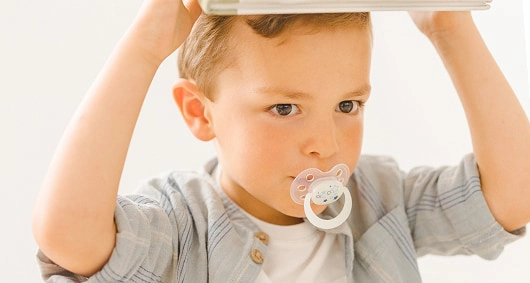
Most American parents see weaning by age 2 as a normal step.

Clipp is the gradual pacifier weaning method designed to make it simple, calm, and successful.


79% of U.S. parents say weaning by age 2 or earlier feels normal.*

  • No sudden removal
  • No emotional shock
  • Step-by-step suction reduction
  • Evidence-based design
*National Poll on Children’s Health, 2025
logo

Pacifiers are part of everyday life.
But timing matters.

Pacifiers are widely used in the U.S. for soothing and sleep.
They are part of daily routines at bedtime, in the car, during stressful moments.

Medical professionals generally agree that prolonged pacifier use beyond age 2-3 may contribute to oral development changes.

Extended use can:

  • Influence how the tongue rests in the mouth
  • Maintain an infant swallowing pattern longer than expected
  • Contribute to bite changes such as open bite

This is why many parents begin thinking about weaning around age two.

Weaning is normal.
The method you choose makes the difference

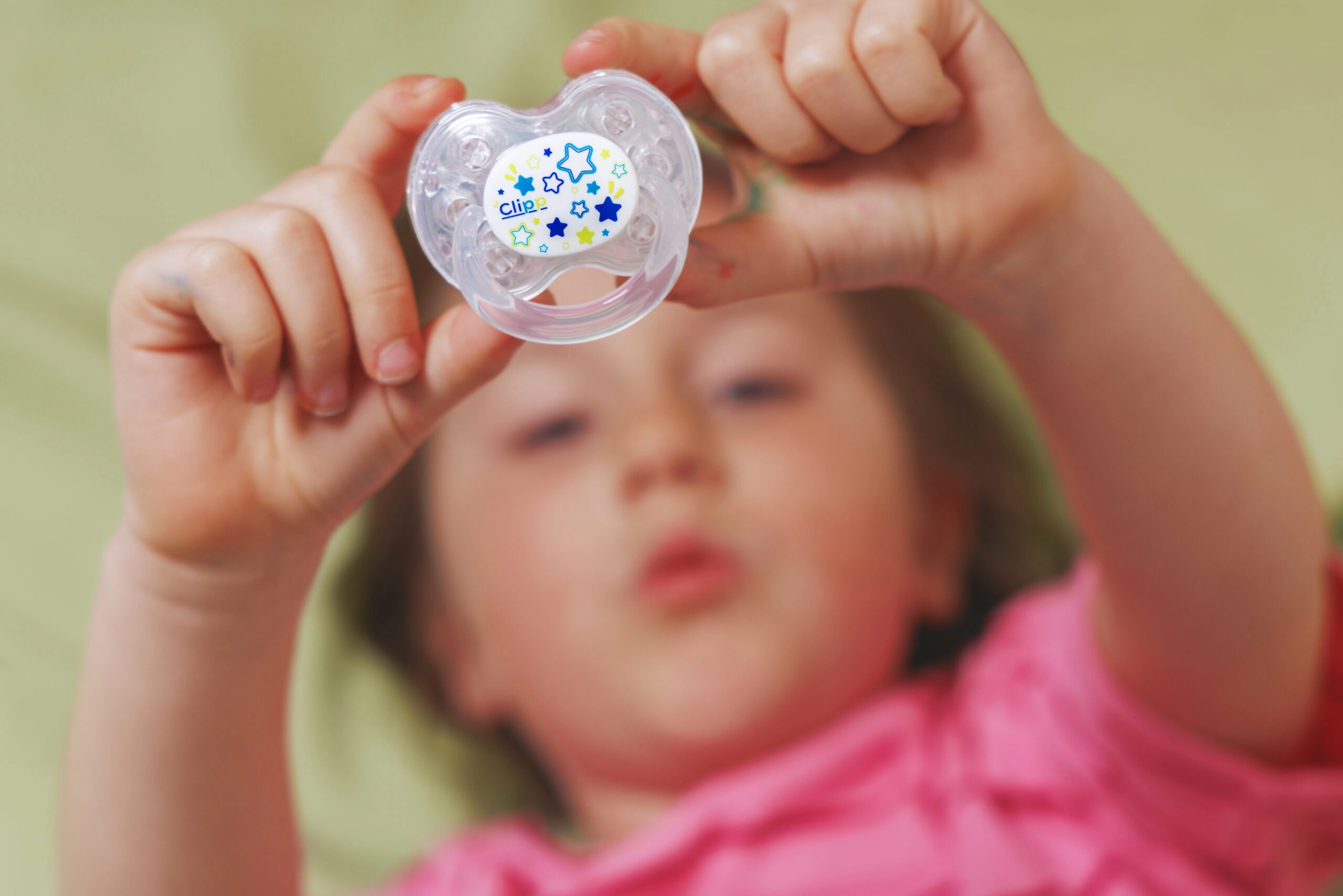
Clipp is not just another pacifier.
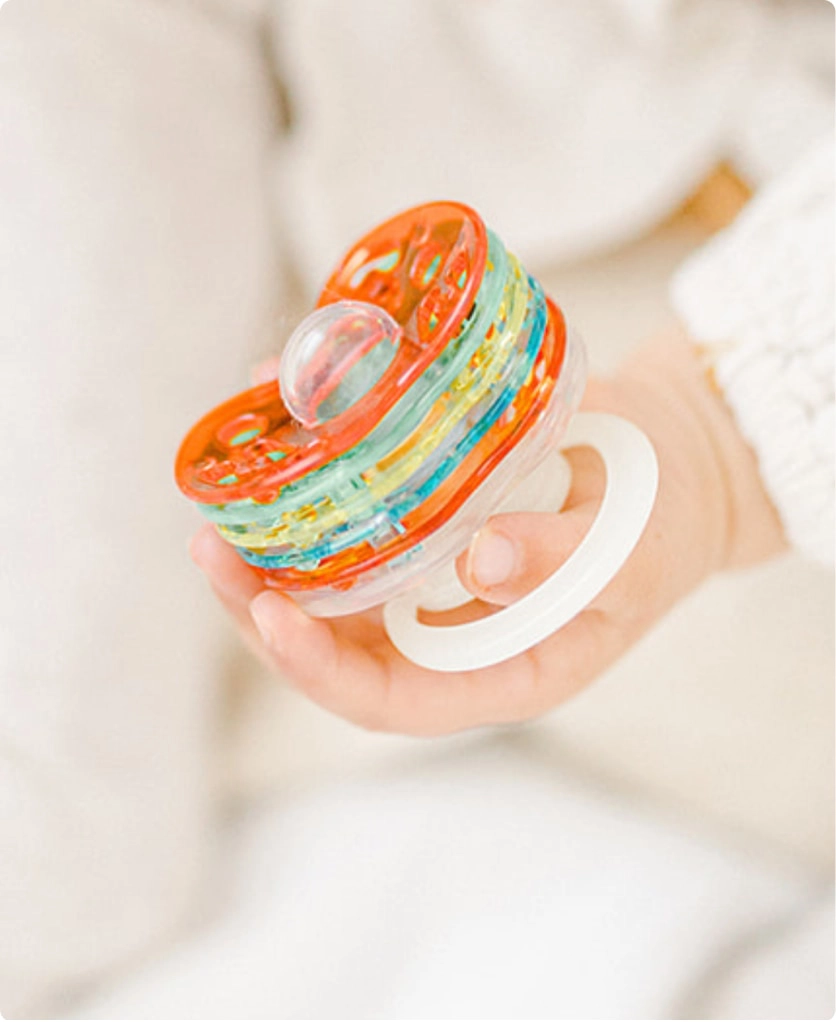
It’s a progressive weaning system designed for real life.

Stopping a pacifier suddenly can feel overwhelming for both parent and child.

Clipp was designed as a structured, step-by-step weaning method that gently reduces sucking over time with no sudden removal, no emotional shock, and no abrupt change.


No negotiations -
No emotional shock
- No abrupt change

How it works

  • 01

    Discovery

    Your child begins with Clipp just like their usual pacifier

    No immediate change in comfort or routine

    They keep what feels familiar while the transition begins gently

    Confidence and curiosity
  • 02

    Gentle progression

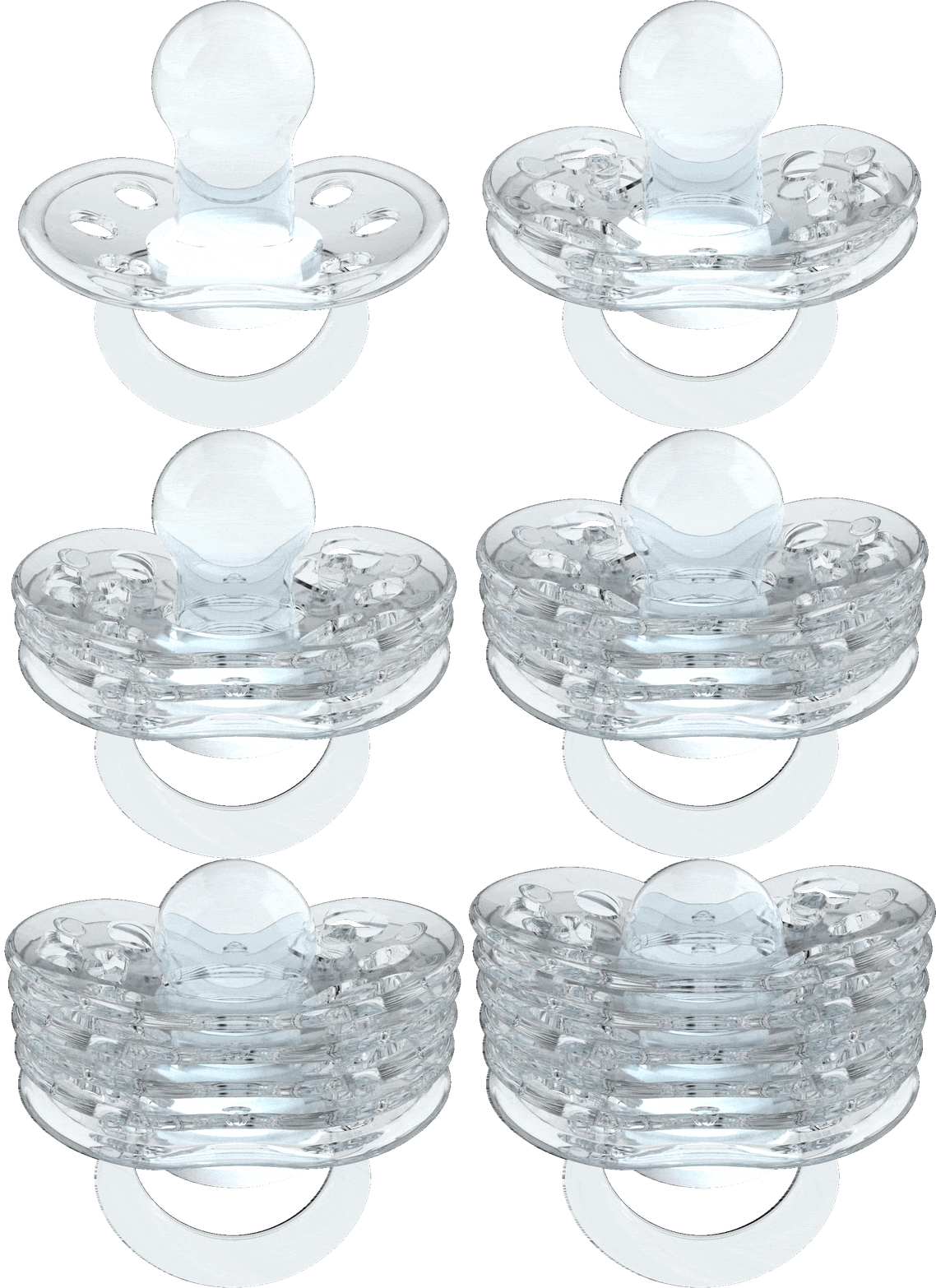
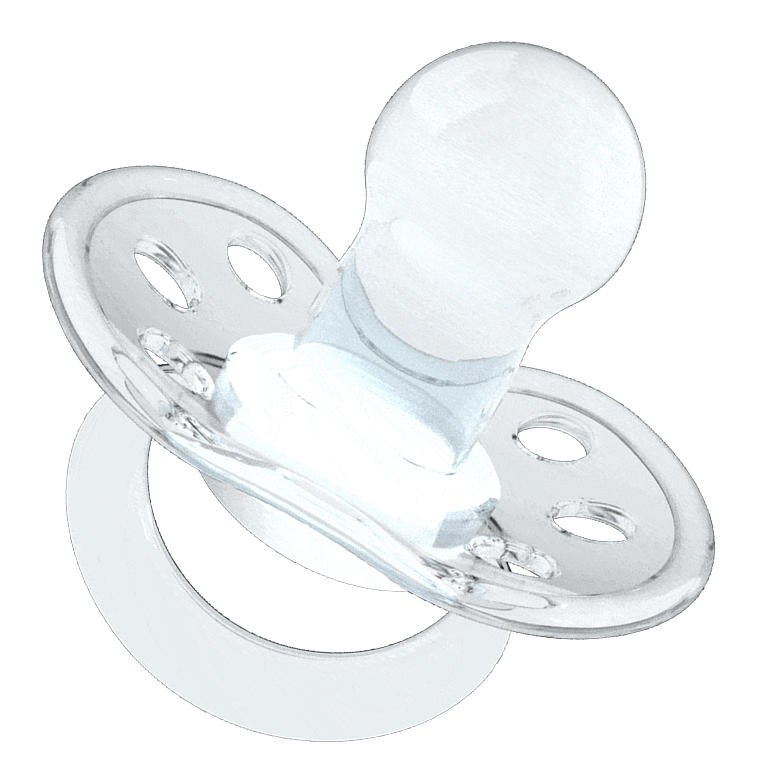
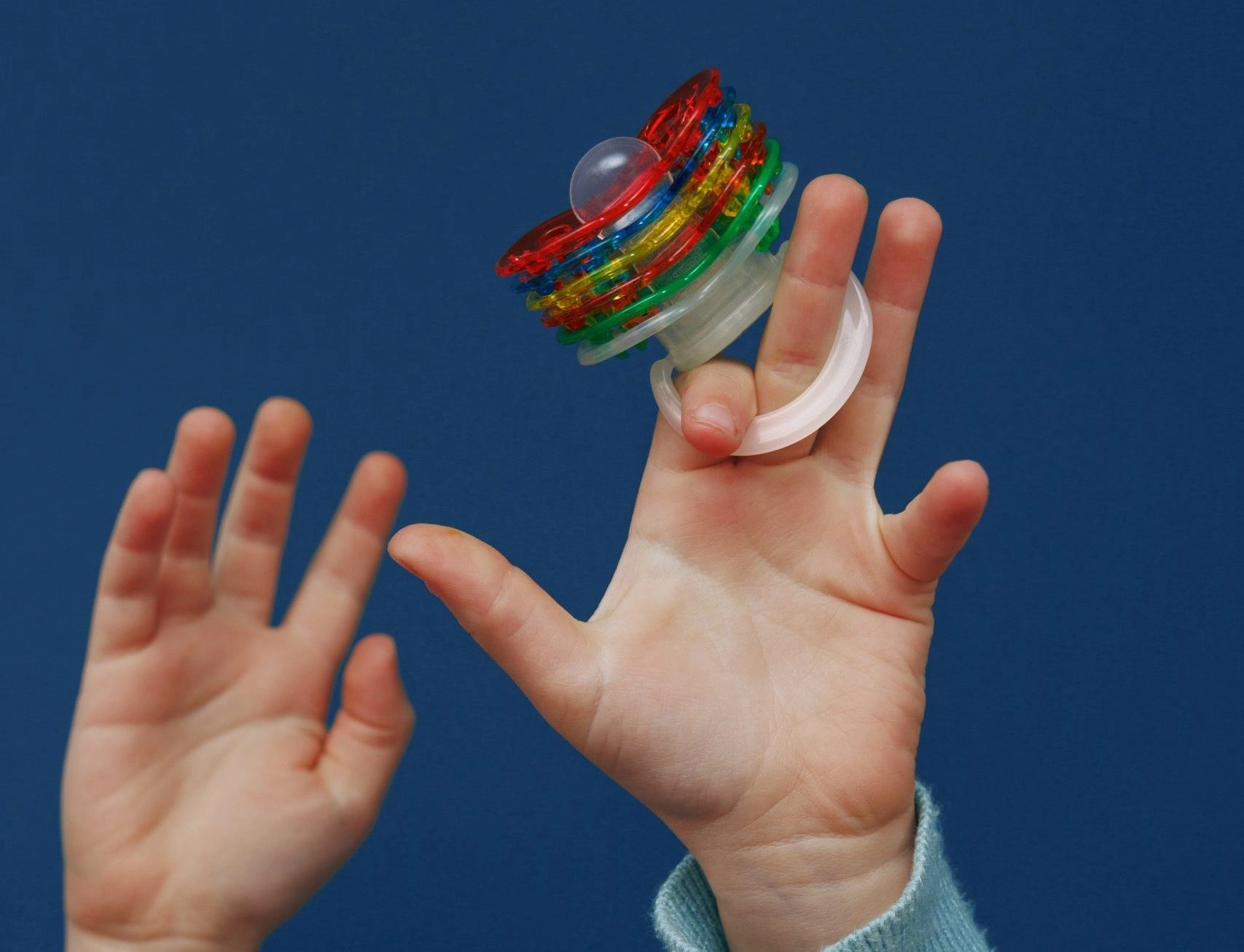
    Each week, one shield slightly reduces suction

    The change is gradual, predictable, and easy to follow

    Small adjustments
No sudden loss

    Gradual independence and growing autonomy
  • 03

    Natural transition

    After about a month, suction becomes minimal

    Most children naturally lose interest

    Stopping the pacifier becomes the next logical step not a struggle

    A peaceful, confident transition
Most families complete weaning in about one month
gif dummy
Instead of removing comfort all at once, Clipp supports a gradual, smoother transition

EVIDENCE & CLINICAL INSIGHT Designed with oral development in mind

Pacifier use is common in early childhood.
However, prolonged sucking habits beyond age 2–3 may influence bite alignment, tongue posture, and speech clarity.

Clipp was created with these considerations in mind to support a structured, gradual transition aligned with oral development milestones rather than a sudden interruption.

Evaluated in a clinical setting

Clipp’s gradual weaning system was evaluated in a clinical thesis conducted in Nice, France, involving 62 children and focusing on oral function and prolonged sucking habits.

Key findings within the study sample:

  • 94.4% successful pacifier weaning
  • Average parent satisfaction rating: 9.6/10
  • Average child acceptance rating: 4.47/5
  • 89.5% showed spontaneous reduction or correction of anterior open bite
Additional parent-reported observations

Although the primary focus of the study was dental development, parents also reported:

52% of children significantly reduced pacifier use early in the process, often limiting use to nighttime only. In multiple cases, the pacifier gradually shifted from an active sucking habit to a transitional comfort object. 15% of parents spontaneously noted early improvements in speech clarity*


*Speech-related observations were not a primary objective of the study and were based on parent reports.

Recognized innovation

  • Awarded Silver Medal at the Concours Lépine International Innovation Awards
  • Recommended by 5,000+ healthcare professionals
  • Used by pediatric dentists and speech therapists for its structured, step-by-step approach

THE STORY BEHIND CLIPP.
Born from a real weaning challenge

Like many parents, Clipp’s founder struggled when it was time to stop the pacifier. Removing it suddenly led to frustration.
Cutting it felt unsafe.
Waiting felt like the problem might only get harder.

The question became simple: What if pacifier weaning could happen gradually in small, predictable steps?

That idea led to the development of Clipp’s patented shield system. A structured solution inspired by real-life parenting and refined with healthcare insight.

Because weaning doesn’t have to be a battle. It can be a process.

Real experiences from families using Clipp

100,000+
children

5000+
healthcare professionals

Individual experiences may vary.

  • We tried taking the pacifier away overnight and it was a disaster.
With Clipp, the change felt gradual and manageable. Within weeks, she simply stopped asking for it.

    Emily R.
    Mom of 2
  • What I appreciated most was that it didn’t feel forced.
He naturally lost interest.

    Sarah M.
    Parent
  • The gradual reduction made a huge difference.
It wasn’t a fight — it was a transition.

    Laura T.
    Parent

AVAILABLE ON AMAZON!
Ready to start pacifier weaning?

When you’re ready, Clipp is available on Amazon U.S

Explore detailed product images, step-by-step visuals, customer reviews, and video demonstrations directly on the product page.

QUESTIONS ABOUT PACIFIER WEANING?

Questions before you start?

Every child is different. Here are clear answers to help you move forward with confidence.

Do you have a question ? A worry ?
  • At what age can we start using Clipp?

    Clipp is generally used when parents begin thinking about pacifier weaning, most commonly around age 2. It’s designed for toddlers who are developmentally ready for a gradual transition.

  • How long does pacifier weaning take with Clipp?

    Most families complete the process in about one month. However, every child adapts at their own pace.

  • What if my child is very attached to their pacifier?

    Clipp does not remove comfort suddenly. The gradual reduction in suction helps children adapt step by step, often reducing resistance compared to abrupt removal.

  • What if my child refuses or gets stuck at a stage?

    Some children may pause at a specific step. The system allows flexibility, families can slow the progression before moving forward.

  • Is Clipp safe?

    Clipp is made from BPA-free silicone, features a patented secure locking ring system, and meets applicable pacifier safety standards.

  • Is Clipp recommended by professionals?

    Clipp has been recommended by thousands of healthcare professionals, including pediatric dentists and speech therapists.

  • What makes this method different?

    Instead of removing the pacifier all at once, Clipp gradually reduces suction over time helping children naturally lose interest.